
Urban Church Imagined
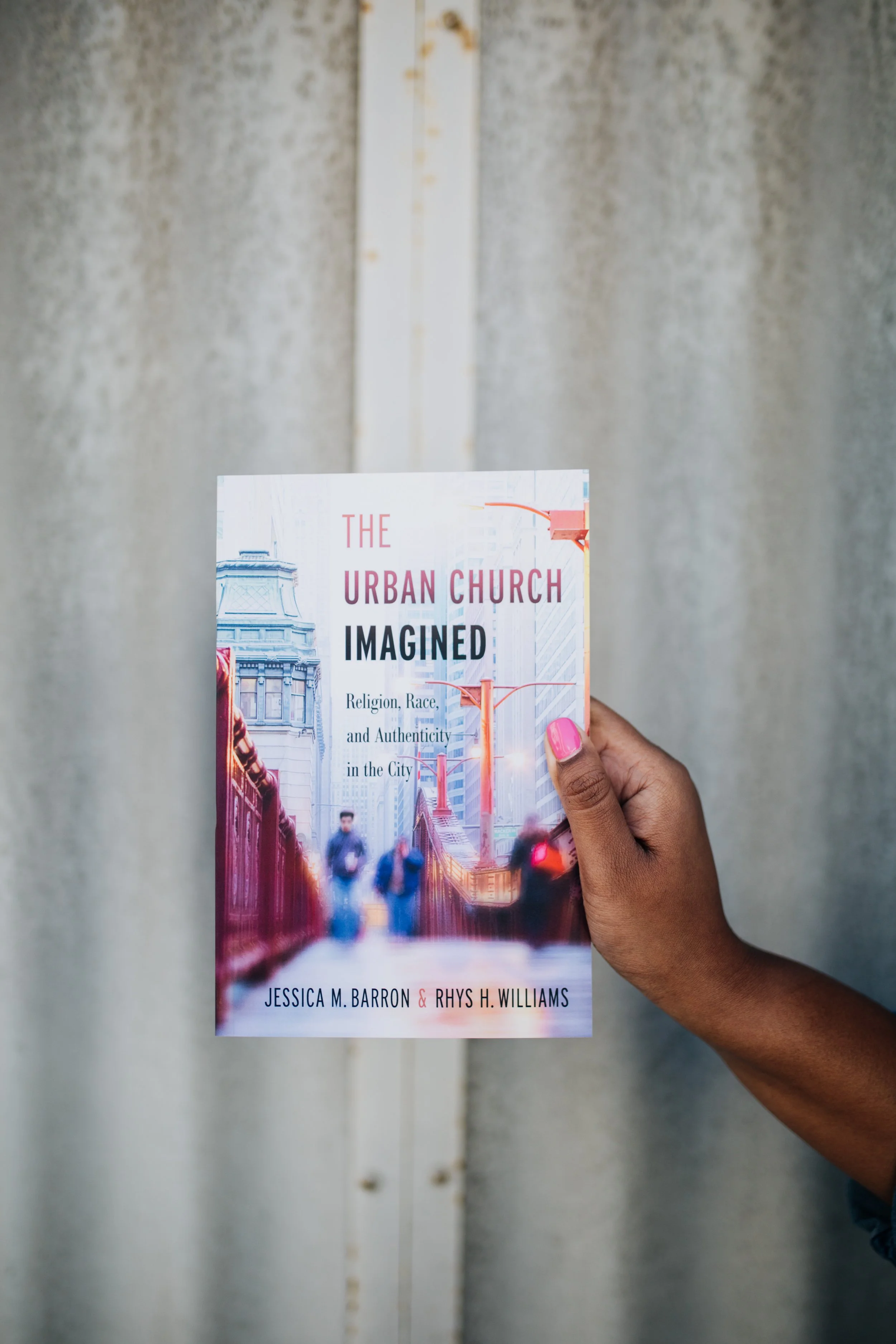
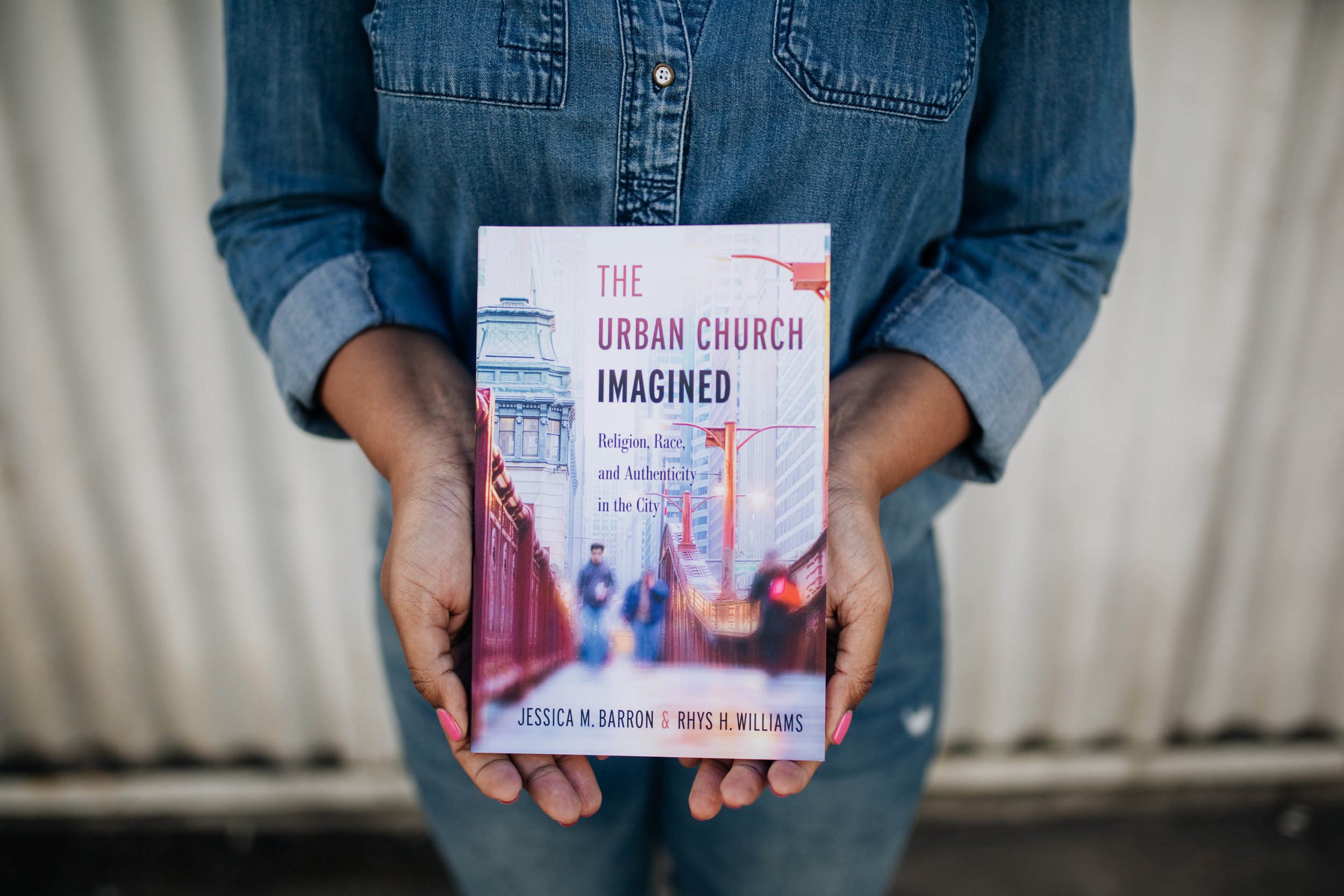
Read The Urban Church Imagined
Religion is a cornerstone of the American experience and plays are significant role in the way people understand their lives: politically, professionally, individually, and in community. I sought to understand how one of the most pervasive, homogeneous public gathering places in the US (the congregation) was reproducing itself in a vastly diversifying society.
While the book focuses on evangelical congregations, the larger premise of the book is to understand how traditionally homogenous organizations (religious congregations) who are moving to increasingly diversifying city centers, conceptualize diversity and inclusion within their organization.
The Urban Church Imagined sits at the intersection of race, religion, and urban cities. It tracks the growing trend of organizations moving back to urban city centers and their practices and perceptions around diversity and inclusion in a new market.
It argues that the urban environment fosters a particular expectation of racial diversity exposing the utility of race and the fabrication of integration to create legitimacy for an organization in an unfamiliar environment. Church leaders and congregants negotiate between their imagined idea of what a church in the city should look like and the structures of inclusion and exclusion these imaginaries create.
In it I coined the terms: Managed Diversity, Racial Utility, and the Racialized Urban Imaginary. These terms and this book quietly took off and have been widely cited across disciplines.
Awards and Reviews
Nominated for the Distinguished Book of the Year by the Association for the Sociology of Religion 2018
Winner of Distinguished Article of the Year by the Sociology of Religion 2017
Featured by NYU Press, New Frontiers in Religion
Reviews by the following top academic journals:
Society for the Scientific Study of Religion
Race and Ethnic Studies
Policy and Religion
Review of Religious Research
If you’re interested in organizations trying to become more diverse, how race has shaped our perceptions of different cities, or how uniquely intertwined race and religion are in The U.S., this is your book!